
Trézor Bridge® | Introducing the New Trezor® App
Discover Trezor Bridge and learn how it enables communication between your Trezor hardware wallet and supported applications for convenient device connectivity, wallet management, and secure transactions.
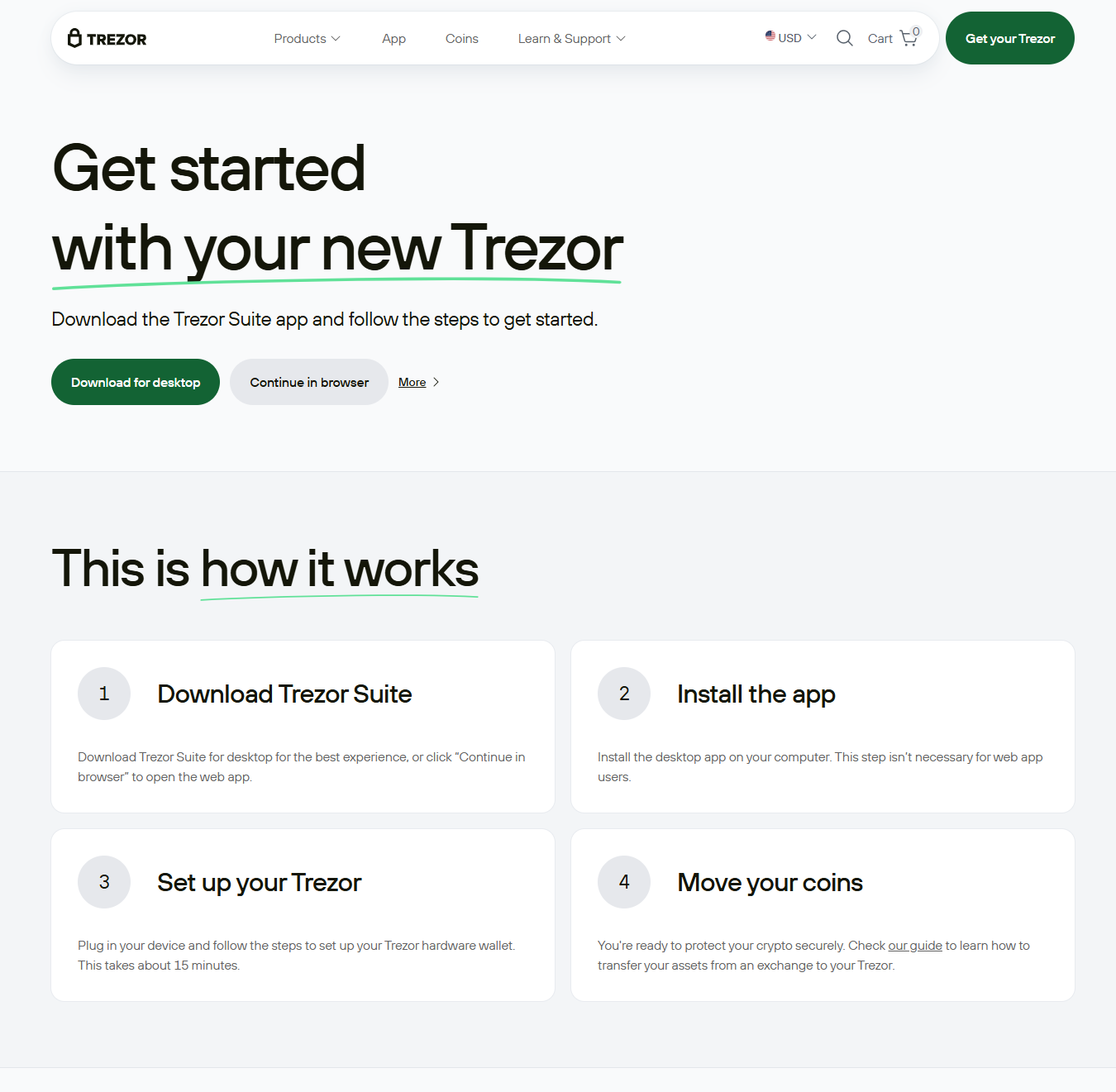
Trezor Bridge: Complete Guide to Secure Hardware Wallet Connectivity
Using a hardware wallet gives cryptocurrency users an additional layer of control over their digital assets. However, the device still needs to communicate with compatible wallet software on a computer. Trezor Bridge is designed to help establish that connection, making it easier for users to access and manage their Trezor hardware wallet through supported applications.
For beginners, understanding how Trezor Bridge fits into the overall wallet setup can make the experience less confusing. Instead of treating the Bridge as another wallet, it is better to think of it as a communication component that helps compatible software interact with the connected Trezor device.
What Is Trezor Bridge?
Trezor Bridge is software that enables communication between a Trezor hardware wallet and compatible wallet interfaces on a computer.
A Trezor hardware wallet is a physical device designed to keep important wallet credentials protected while allowing users to authorize cryptocurrency transactions. When the device needs to communicate with wallet software, a compatible communication layer is required.
Trezor Bridge helps provide this connection in supported environments. Once configured correctly, it can work in the background while users interact with their wallet interface.
Why Trezor Bridge Matters
A hardware wallet is only useful when it can communicate reliably with the software used to manage cryptocurrency accounts. Trezor Bridge helps simplify that communication process.
Without the appropriate connection method, a computer may not properly recognize the hardware wallet or allow compatible software to communicate with it.
For this reason, installing the correct Bridge software can be an important step for users whose setup requires it. The exact requirements can depend on the operating system, browser, Trezor model, and current software environment.
Start With Trusted Trezor Resources
Before downloading Trezor Bridge, verify that you are using an official Trezor resource. Cryptocurrency users frequently encounter fake wallet applications, misleading advertisements, and phishing websites that imitate legitimate services.
Do not download wallet software from an unfamiliar website simply because it appears near the top of a search result.
Carefully check the domain name and avoid links received through unsolicited emails, social media messages, or pop-up notifications.
Using the correct source is one of the simplest ways to reduce the risk of installing malicious software.
Installing Trezor Bridge
The installation process can vary according to your operating system. Begin by obtaining the appropriate version through the trusted Trezor software environment.
Follow the installation instructions provided for your system and allow the software to complete its installation before connecting your hardware wallet if the instructions recommend that order.
After installation, open the compatible wallet interface and connect your Trezor device using an appropriate USB cable.
If the software does not immediately recognize your wallet, avoid downloading random troubleshooting programs. Instead, check the official troubleshooting documentation and verify that your software and operating system meet the current requirements.
Connecting Your Trezor Hardware Wallet
After Trezor Bridge is installed, connect your hardware wallet to the computer. The compatible wallet interface should be able to communicate with the device through the appropriate connection layer.
Your Trezor device may display information or request confirmation during certain actions. Pay close attention to these prompts.
The physical device provides an important verification point because users can review transaction details before approving them.
If something looks different from what you expected, stop and investigate instead of automatically confirming the request.
Trezor Bridge and Wallet Software
Trezor Bridge should not be confused with a cryptocurrency wallet itself. It primarily helps compatible software communicate with the physical hardware.
Wallet software provides the user interface for activities such as viewing accounts, checking balances, receiving supported cryptocurrency, preparing transactions, and reviewing activity.
The hardware wallet plays a separate security role by helping protect sensitive wallet information and requiring physical confirmation for relevant operations.
Understanding this relationship makes the setup easier to visualize: the computer provides the interface, Trezor Bridge helps communication, and the hardware device provides an important layer of transaction security.
Verify Transactions Carefully
Connecting your Trezor wallet successfully is only one part of secure cryptocurrency management.
Before approving a transaction, review the recipient address, asset, amount, network, and applicable fee. When transaction information appears on the hardware wallet, compare it with your intended transaction.
Do not approve a transaction if the details are unexpected.
This habit is particularly important when interacting with unfamiliar websites or decentralized applications. A website may display information that does not accurately represent the transaction you are about to authorize.
Protect Your Recovery Backup
Trezor Bridge does not replace your recovery backup and should never require you to disclose it.
Your recovery information is highly sensitive. Keep it private and store it securely in an appropriate offline location.
Never enter recovery words into a website because a pop-up claims that your wallet needs verification. Do not send them through email or messaging applications, and do not give them to someone claiming to be customer support.
A request for your complete recovery backup is a major warning sign.
Be Careful With Fake Software
Scammers may create applications that look like legitimate wallet software. Some may use familiar branding and convincing messages to persuade users to install them.
A fake Bridge download could potentially expose your computer or attempt to steal sensitive information.
Always verify the source before installing wallet-related software. If an unexpected message tells you that your Trezor device has a problem and asks you to download a particular program, do not follow the link automatically.
Instead, open the official Trezor website independently and locate the relevant support or download information.
Troubleshooting Connection Problems
If your Trezor device is not detected, begin with basic checks. Confirm that the USB cable is properly connected and try another compatible port if necessary.
Next, verify that the appropriate Bridge software is installed and that the wallet interface you are using supports your setup.
Restarting the relevant software or computer can sometimes resolve temporary connection problems. If the issue continues, use official troubleshooting resources rather than downloading third-party utilities.
Keeping your operating system, browser, wallet software, and hardware-wallet firmware appropriately maintained can also help avoid compatibility problems.
Build a Secure Wallet Routine
Trezor Bridge is one component of a broader hardware wallet environment. Secure cryptocurrency management also depends on how users protect their devices and information.
Use trusted software, keep your recovery backup private, verify transaction details, and maintain control over your physical hardware wallet.
It is also helpful to learn basic cryptocurrency concepts such as wallet addresses, blockchain networks, transaction fees, and recovery procedures. Understanding these fundamentals can make it easier to recognize unusual or potentially dangerous requests.
Final Thoughts
Trezor Bridge helps create communication between compatible wallet software and a Trezor hardware wallet, making it an important component for supported desktop setups. Understanding its purpose can help beginners approach hardware wallet management with greater confidence.
The safest approach is to obtain software from trusted sources, carefully verify transactions, protect recovery information, and remain cautious about unexpected messages or downloads.
With the right setup and consistent security habits, Trezor Bridge can provide a convenient connection between your computer and Trezor hardware wallet while keeping transaction approval centered around the physical device.
Updated about 8 hours ago